All Categories
Featured
Table of Contents
To asses threat Waydev allows you to determine how most likely it is a particular dedicate will trigger problems. In this case, there specify data points that you ought to take into account, such as the commit's size, how far do the modifications spread out, as well as the changes' depth. Continuous Combination (CI) and Continous Advancement (CD) are vital in today's engineering ecosystem since they guarantee that your team provides software application in an iterative type.
How to Control Enterprise Spending in 2026
Our service immediately gathers information from the Constant Integration and Continous Advancement pipelines and tracks Gitlab repos, allowing you to examine info without requiring any form of manual input. This is an excellent way to keep track of DevOps performance by concentrating on DORA metrics. By automating these procedures and measurements, you may have a clear view of how release is going, evaluate what impacts burn-down rates, what triggers traffic jams, and how to fix them.
With Waydev's Task Costs report, you have consistent insights on how work is advancing and how things look financially. This enables you to reallocate resources to ship on time or enhance expenses and communicate job status to organization leaders. When done right, the aligns company requirements with innovation procedures, allowing Engineering Supervisors to optimize performance and analyze risks.
IT governance focuses on setting tactical direction, policies, and oversight. IT management involves day-to-day operations, executing projects, and administering systems and services. Secret stakeholders are executive leaders, IT managers, end users from company systems, and procedure owners. A governance council or committee offers oversight. Training should cover framework principles, new policies and treatments, governance functions and responsibilities, and any governance tools or systems being carried out.
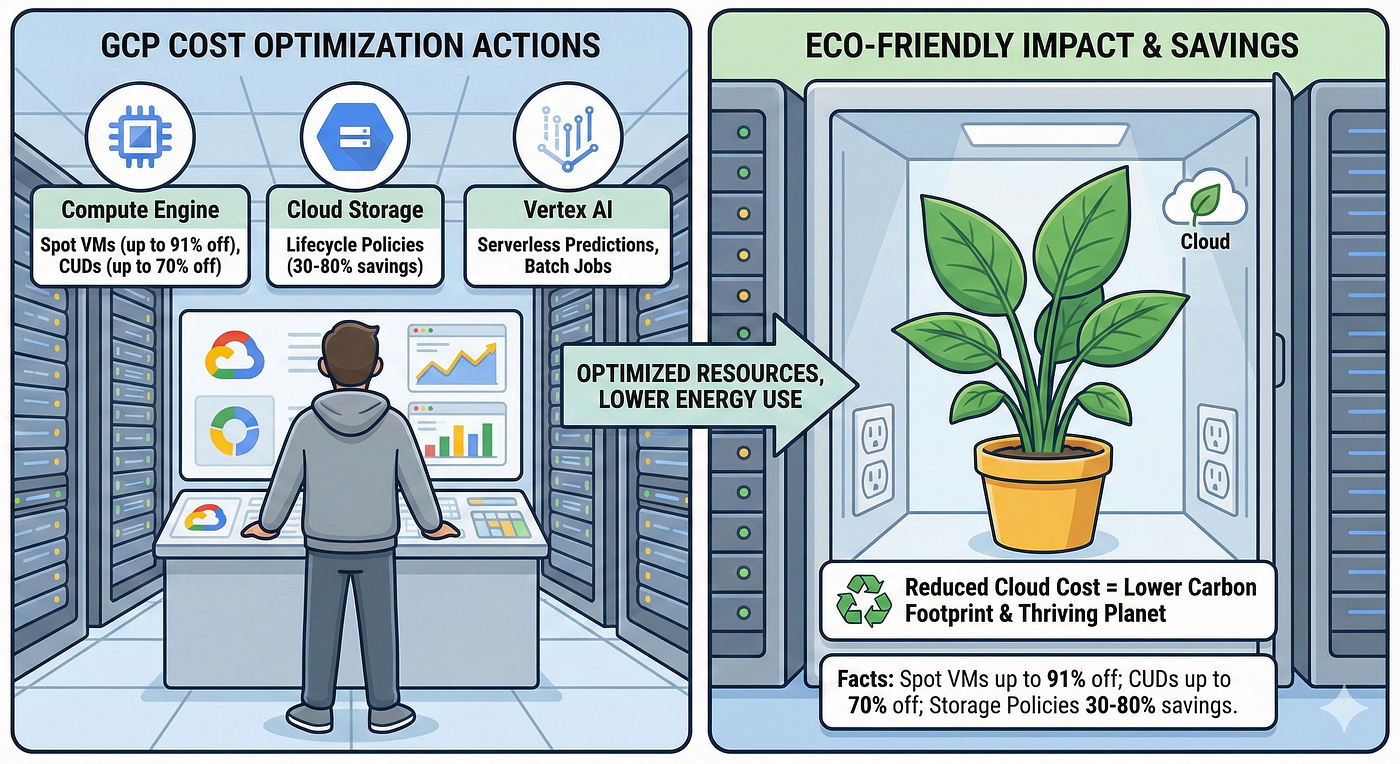
Effective Steps for Reducing Cloud Costs in 2026
More frequent evaluations may be required for fast-changing environments. KPIs to measure efficiency include IT cost optimization, IT and business technique positioning, user satisfaction, job ROI, and adherence to service levels. Threat management identifies hazards, examines impacts, and develops mitigation methods. It guarantees governance properly addresses information security, disaster healing, and regulative compliance.
Effective IT governance is a key component of overall organization method and business governance as a governance, danger and compliance (GRC) policy. IT governance manages governance and risks while keeping compliance with industry and federal government guidelines. Enhancing IT governance requires the best mix of IT investments, policy and personnel. It assists companies match their IT objectives with company objectives.
It is progressively a component of DevOps groups accountable for IT operations. DevOps teams collaborate more effectively to develop, test and provide software. As organizations increase their IT investments, the significance of a strong IT governance policy increases. Chief information officers (CIOs) drive IT governance technique alongside other essential stakeholders in the C-suite.
In this postWhat is IT governance and why does it matter?Why worksIT governance necessary for business success?What are the 5 actions to execute effective IT governance?What are the IT governance finest practices that drive results?How does IT governance work for small businesses?Why reputable IT governance is a company advantage Efficient IT governance lines up innovation choices with company strategy, manages threat, and guarantees IT resources are used effectively. This guide covers each step in useful information, along with the structures, tools, and best practices IT leaders utilize today.
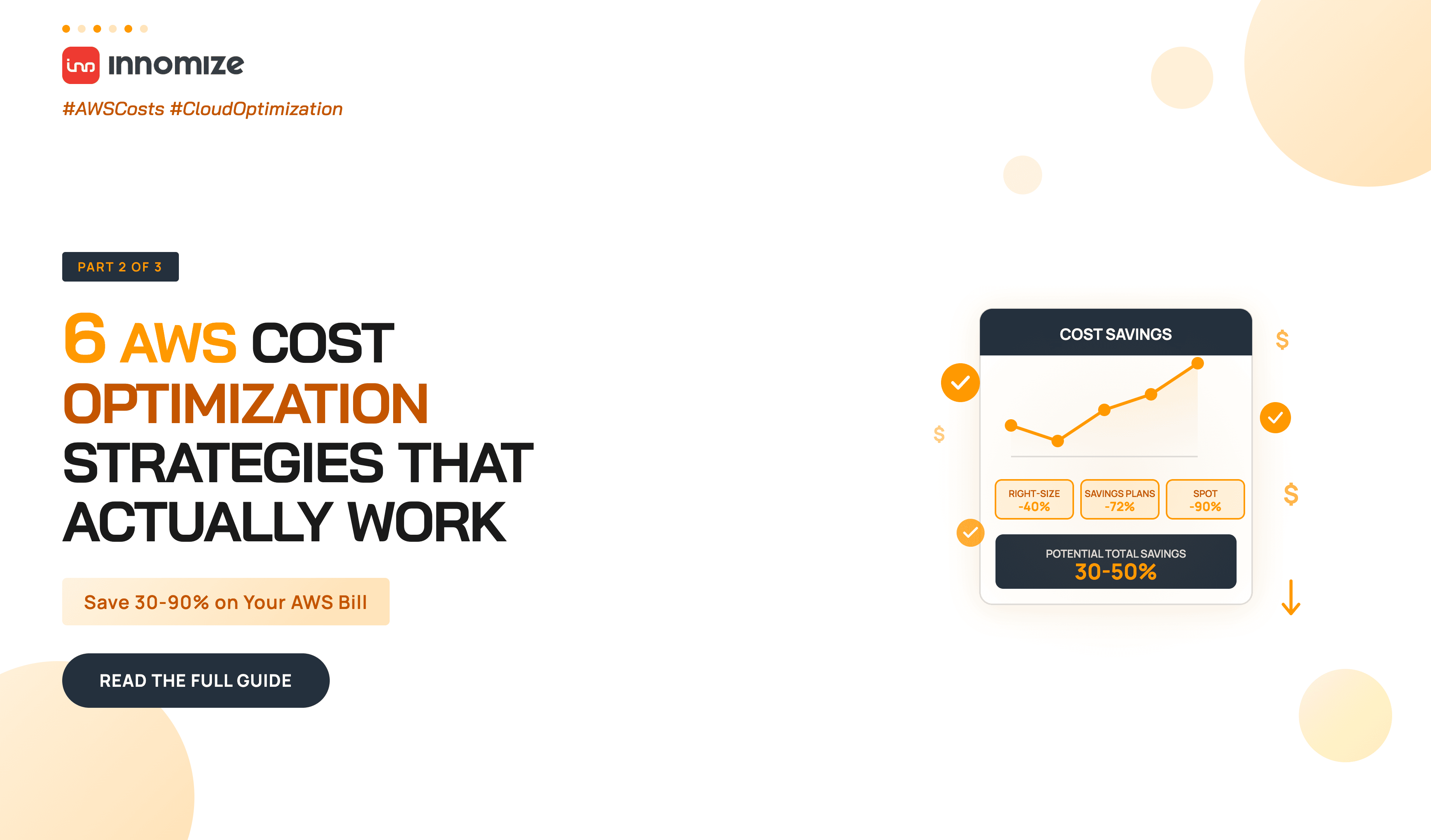
Advantages of Enterprise Resource Governance
IT governance is an official structure that directs and manages how an organization's infotech resources are managed, so that IT activity supports and advances total service goals. It covers four interconnected areas:-preparation, arranging, and directing making use of innovation resources -protecting delicate personal and business data and meeting regulative obligations - the everyday jobs the IT department performs to satisfy predetermined objectives - the policies and controls that secure the integrity and security of IT systems According to IBM, efficient IT governance is a key part of general service strategy and business governance, typically forming part of a more comprehensive Governance, Risk , and Compliance (GRC)policy. Reliable IT governance produces a direct link in between innovation financial investment and measurable company outcomes. When governance is absent or inadequately designed, IT departments operate in isolation, duplicating effort, collecting shadow IT, and producing compliance spaces. When governance is strong, IT choices are made by the best people at the best level, resources are directed towards strategic top priorities, and threat is handled proactively. For organizations undergoing digital change, governance is what avoids innovation change from surpassing the company's capability to take in and gain from it. Lemon Knowing's IT application support options are designed to help groups embed governance processes into daily workflows so adoption equals modification. Implementing effective IT governance and IT management follows a repeatable process. Engage senior IT managers, business system leaders, compliance officers, and crucial partners. Designate clear accountability for each governance domain. Document escalation paths so that argumentsare dealt with at the right level instead of defaulting upward or stalling entirely. Refer to the typical IT governance errors organizations make at this phase to avoid repeating them. The choice depends on size, market, regulatory environment, and maturity. The most widely adopted choices are compared in the table listed below. Framework Primary focus Finest matched for IT governance and management, risk control, audit readiness Big business, regulated industries IT service management aligned to service needs Organizations with a mature IT service function International requirements for IT service management and corporate IT governance Organizations looking for certified, internationally acknowledged governance CMMI(Ability Maturity Model Integration)Process improvement ranked on a scale of 1 to 5 Organizations benchmarking and enhancing development or shipment ability COSO (Committee of Sponsoring Organizations of the Treadway Commission)Internal control and enterprise threat management Organizations prioritizing monetary controls and scams deterrence CIS( Center for Internet Security)Controls Cybersecurity and facilities resilience Organizations enhancing technical security posture Lots of organizations integrate frameworks. Check out the necessary security certifications that complement these governance structures. An IT governance strategy only ends up being genuine when it is recorded, prioritized, and shared. The roadmap needs to define: Short, medium, and long-lasting IT governance turning points Resource requirements and budget allowance Specific IT projects connected to service goals Interaction touchpoints for all stakeholders Training and capability-building activities for IT and service staff Strategic positioning is the backbone of this step. Picking the best mode for your company forms the whole roadmap. Interaction is not a one-time event. All stakeholders- from the board and senior management to IT staff and end users-need to understand the governance plan, their function in it, and how success will be determined. Governance that is not determined does not improve. Control panel metrics typically cover: IT system performance and availability IT resource utilization and expense effectiveness Danger incidents and their resolution times Alignment in between IT project results and company goals Compliance audit results Formal external assessment by a recognized standards body can include credibility and surface blind areas that internal reviews miss out on.

Latest Posts
Why Does Cloud Governance Drive 2026 ROI?
Steps to Achieve Full Infrastructure Visibility in 2026
Enhancing Asset Efficiency Through Smart Governance