All Categories
Featured
Table of Contents
Capital expense preparation requires particular attention to timing and capital ramifications. Think about how scheduled financial investments in equipment, innovation, or facilities will impact both operational effectiveness and financial performance. Examine the roi for proposed capital projects and prioritise those that line up most closely with your strategic objectives. Moving beyond basic budgeting needs carrying out advanced forecasting methods that improve precision and provide deeper insights into company efficiency.
Implement driver-based forecasting that links financial results to specific organization metrics. This approach creates more transparent connections between operational activities and monetary results, making it simpler to determine the root causes of variations and adjust strategies appropriately. For retail companies, this may include forecasting based on tramp and conversion rates, while service organizations might focus on billable hours and utilisation rates.
Implementing Robust Cost GovernanceMethods such as regression analysis, moving averages, and seasonal adjustment can provide important insights, especially for companies with complex income patterns or several product lines. Consider implementing continuous forecasting procedures that upgrade projections regularly based upon real performance and changing market conditions. This approach offers more timely insights than conventional quarterly reforecasting and enables faster action to emerging opportunities or challenges.
This broader point of view assists determine patterns and dangers that internal data alone might not expose. The unpredictability surrounding economic conditions, regulative modifications, and market characteristics makes situation planning a vital element of reliable budget preparation. Instead of depending on a single projection, developing several situations assists companies get ready for numerous possible outcomes and keep strategic versatility.
The base case serves as your main preparation document whilst acknowledging that real results will likely vary from these forecasts. The positive scenario may presume more powerful financial development, successful new item launches, or beneficial regulative changes.
Measuring IT Efficiency Through Advanced Governance Frameworks
Consider developing specific circumstances around key threat aspects or opportunities that could considerably impact your company. These might consist of situations based upon major customer losses, technological interruptions, regulatory changes, or market growth opportunities. By measuring the prospective impact of these events, you can develop contingency strategies and recognize early warning indicators.
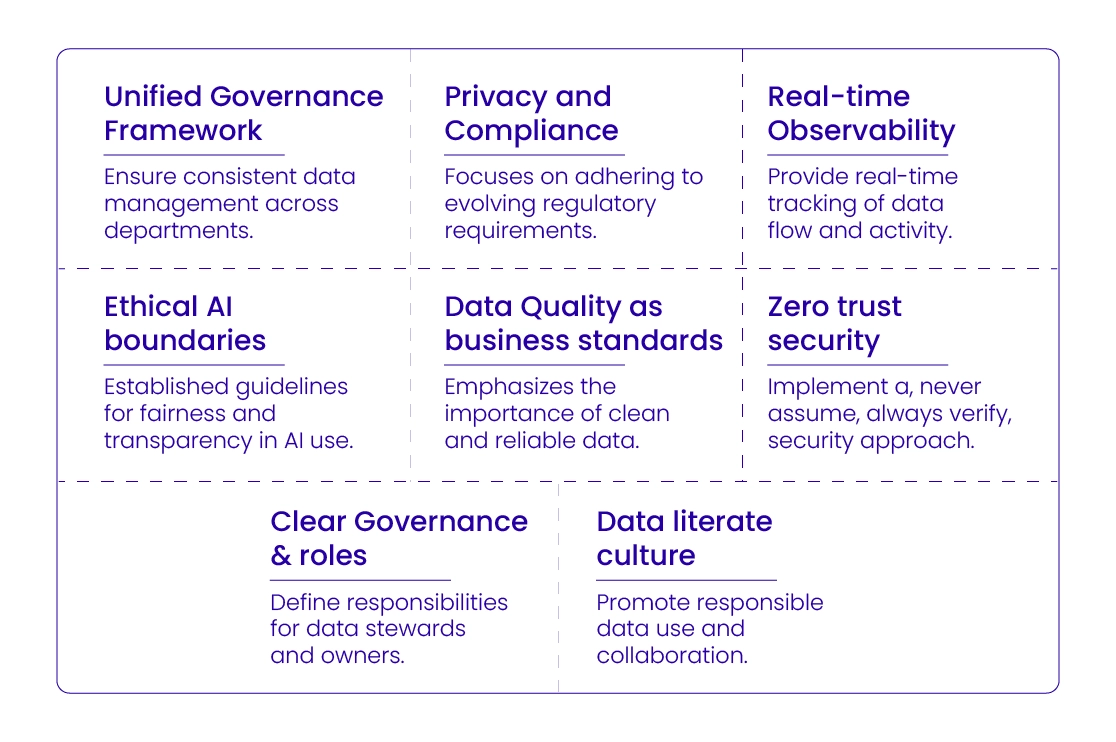
This procedure includes testing how your monetary projections would perform under extreme scenarios, such as considerable profits declines or unanticipated boost. Document the presumptions underlying each circumstance and develop trigger points that indicate when circumstances are approaching particular results. This structure allows more proactive management reactions and helps preserve tactical focus throughout periods of uncertainty.
Modern budgeting software application offers abilities that extend far beyond conventional spreadsheet-based approaches, using higher accuracy, collaboration, and analytical insights. Cloud-based budgeting platforms make it possible for real-time cooperation between staff member and supply centralised data management that lowers mistakes and enhances variation control. These systems usually use automated information integration from accounting systems, decreasing manual data entry and improving accuracy.
Dashboard-style reporting provides real-time visibility into essential performance signs and makes it much easier to identify trends and variances that require attention. Expert system and artificial intelligence capabilities are significantly being included into budgeting software, providing automated forecasting recommendations based upon historical patterns and external information sources. While these tools need careful recognition, they can substantially enhance forecasting accuracy and lower the time required for spending plan preparation.

Scaling Enterprise Infrastructure Expenditures in 2026
Reliable budget plan preparation needs input and buy-in from stakeholders across the organisation. Implementing collaborative preparation procedures guarantees that budget plans reflect functional truths and acquire the assistance required for effective implementation.
Create opportunities for cross-functional dialogue throughout the preparation process. This partnership enhances the accuracy of presumptions and helps recognize prospective disputes in between departmental objectives.
Producing a reliable spending plan is only the very first action in successful monetary planning. Implementing robust tracking and adjustment processes guarantees that spending plans remain appropriate and useful throughout the year as circumstances alter.
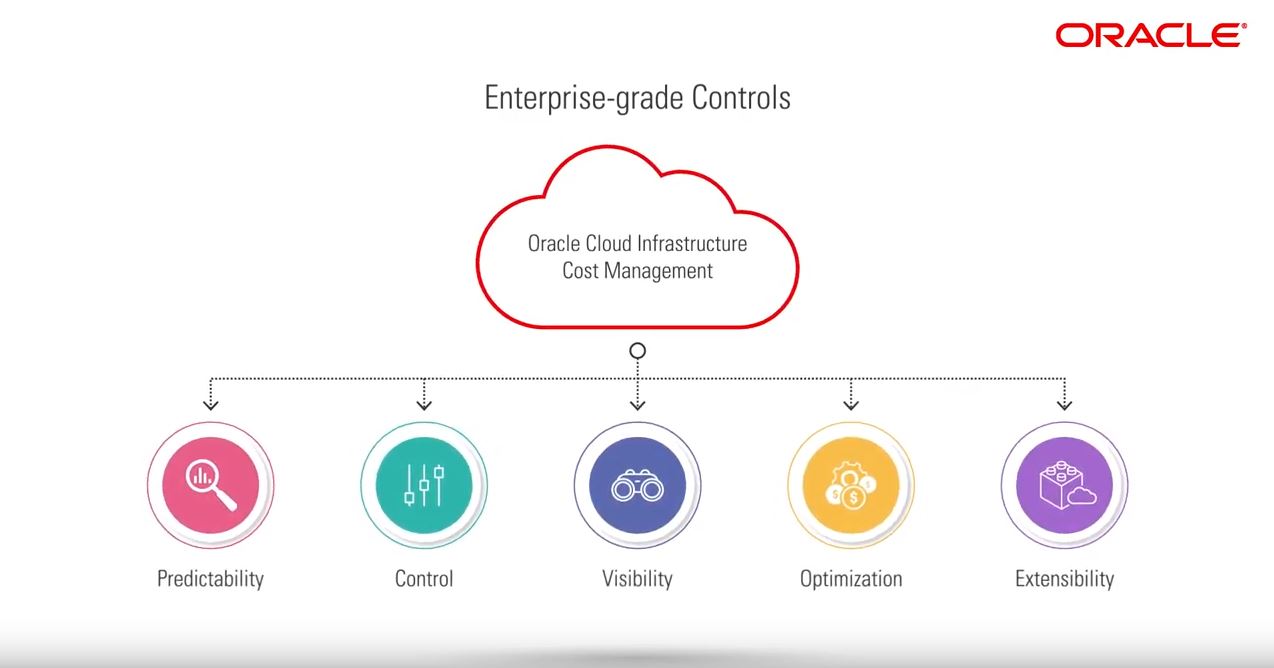
Monthly reporting normally provides the best balance between timeliness and administrative burden, though some crucial metrics may take advantage of more regular tracking. Develop variance analysis processes that exceed simple actual-versus-budget contrasts to recognize the root triggers of differences and their implications for future performance. This analysis must differentiate between short-term variations and basic modifications that require budget changes.

Latest Posts
Why Does Cloud Governance Drive 2026 ROI?
Steps to Achieve Full Infrastructure Visibility in 2026
Enhancing Asset Efficiency Through Smart Governance